

Sustainable construction practices and energy efficiency have recently received a lot of attention from governments and organizations around the world. Because of their thermal energy storage and release capabilities, phase change materials are vital in the fight against building energy consumption. The heating, ventilation, and air conditioning (HVAC) sector makes use of phase change materials to boost thermal comfort and energy efficiency. For the time being, this is what will propel its demand.
Systems that store heat rely heavily on PCM technology. These systems are used in a variety of industries, including as electric car thermal management, industrial processes, and renewable energy integration. Recent advances in the field of materials science have uncovered novel PCM formulations that exhibit enhanced features, including increased latent heat capacity and enhanced durability. The market for PCM has grown thanks to these improvements, which have increased its versatility.
Organizations in both the public and commercial sectors that do not use a lot of energy are required under regulations like the CRC Energy Efficiency Scheme in the UK to minimize their carbon footprints. The use of phase change materials in construction is on the rise due to its ability to lower carbon emissions by lowering the load on HVAC compressors while keeping interior temperatures where they should be.
Pharmaceuticals and other biological items are subject to temperature-based transportation regulations; both the goods and the transportation must adhere to the storage specifications listed on the product's label. At the moment, this driver's impact is medium because only a small number of nations have implemented stringent regulations to reduce carbon emissions. On the other hand, as environmental concerns grow, most countries are projected to cut carbon emissions, thus the impact will likely be significant in the future.
The expansion in volume, flammability, corrosion, and overheating are some of the features of phase change materials. Paraffin, for example, has limited use in the HVAC and building and construction industries due to its flammability. Thermostatically engineered systems (TES) and HVAC rely on phase change materials for heat pumping purposes. Using phase change materials, these systems—primarily composed of metals and metal alloys—are able to enhance their efficiency and longevity. Damage to the entire system from corrosion might result in expensive repairs or replacements. As encapsulation technology advances and more and more manufacturers offer encapsulated phase change material for sale instead of raw PCM, this limitation is not likely to have much of an effect going forward.
Roofing, flooring, walls, and other construction materials frequently incorporate phase transition elements. Because of their capacity to both emit and absorb energy from the environment, these materials can reduce temperature changes, which improves human comfort and decreases building energy usage. Among all the things that use a lot of power, the construction industry is a major one in several nations. Nearly 30% of all energy use and around 30% of all carbon dioxide emissions come from the building and construction sector, says the International Energy Agency (IEA). The phase change materials market is anticipated to experience a boost in growth during the projected period, thanks to the strict government restrictions aimed at lowering emissions of greenhouse gases.
Report Coverage
Global Phase Change Material research report categorizes the market for global based on various segments and regions, forecasts revenue growth, and analyzes trends in each submarket. Global Phase Change Material report analyses the key growth drivers, opportunities, and challenges influencing the global market. Recent market developments and Phase Change Material competitive strategies such as expansion, product launch and development, partnership, merger, and acquisition have been included to draw the competitive landscape in the market. The report strategically identifies and profiles the key Phase Change Material market players and analyses their core competencies in each global market sub-segments.
| REPORT ATTRIBUTES | DETAILS |
|---|---|
| Study Period | 2017-2031 |
| Base Year | 2023 |
| Forecast Period | 2023-2031 |
| Historical Period | 2017-2021 |
| Unit | Value (USD Billion) |
| Key Companies Profiled | Croda International Plc (UK), Sasol (South Africa), Henkel AG & Co. KGaA (Germany), Cryopak (US), Merck KGaA (Germany), Pluss Advanced Technologies Pvt. Ltd (India), PureTemp (US), Teappcm (US), Rubitherm (Germany), Cold Chain Technologies (US), and PCM Products Ltd (UK) |
| Segments Covered | • By Product |
| Customization Scope | Free report customization (equivalent to up to 3 analyst working days) with purchase. Addition or alteration to country, regional & segment scope |
Key Points Covered in the Report
- Market Revenue of Phase Change Material Market from 2021 to 2031.
- Market Forecast for Phase Change Material Market from 2021 to 2031.
- Regional Market Share and Revenue from 2021 to 2031.
- Country Market share within region from 2021 to 2031.
- Key Type and Application Revenue and forecast.
- Company Market Share Analysis, Phase Change Material competitive scenario, ranking, and detailed company
profiles. - Market driver, restraints, and detailed COVID-19 impact on Phase Change Material
Market
Competitive Environment:
The research provides an accurate study of the major organisations and companies operating in the global Phase Change Material market, along with a comparative evaluation based on their product portfolios, corporate summaries, geographic reach, business plans, Phase Change Material market shares in specific segments, and SWOT analyses. A detailed analysis of the firms' recent news and developments, such as product development, inventions, joint ventures, partnerships, mergers and acquisitions, strategic alliances, and other activities, is also included in the study. This makes it possible to assess the level of market competition as a whole.
List of Major Market Participants
Croda International Plc (UK), Sasol (South Africa), Henkel AG & Co. KGaA (Germany), Cryopak (US), Merck KGaA (Germany), Pluss Advanced Technologies Pvt. Ltd (India), PureTemp (US), Teappcm (US), Rubitherm (Germany), Cold Chain Technologies (US), and PCM Products Ltd (UK)
Primary Target Market
- Market Players of Phase Change Material
- Investors
- End-users
- Government Authorities
- Consulting And Research Firm
- Venture capitalists
- Third-party knowledge providers
- Value-Added Resellers (VARs)
Market Segment:
This study forecasts global, regional, and country revenue from 2019 to 2031. INFINITIVE DATA EXPERT has segmented the global Phase Change Material market based on the below-mentioned segments:
Global Phase Change Material Market, By Type
Organic
Inorganic
Others
Global Phase Change Material market, By Application
Building and Construction
HVAC
Cold Chain & Packaging
Organic
Inorganic
Electronics
Textiles
Others
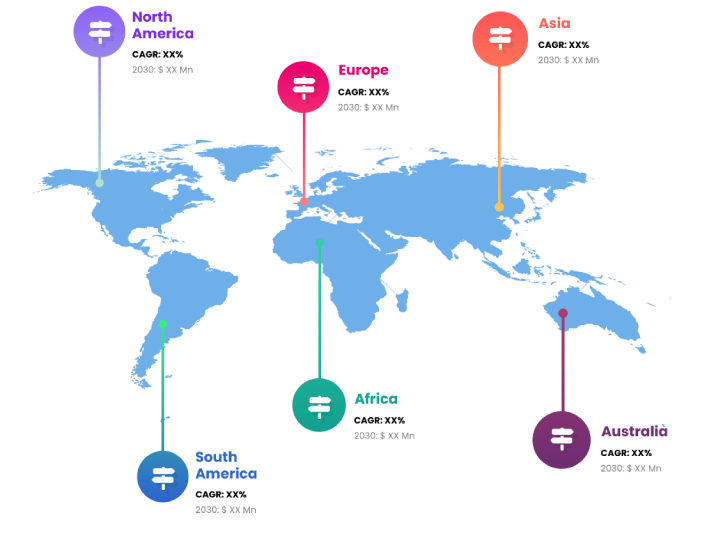
Global Phase Change Material market, Regional Analysis
- Europe: Germany, Uk, France, Italy, Spain, Russia, Rest of Europe
- The Asia Pacific: China,Japan,India,South Korea,Australia,Rest of Asia Pacific
- South America: Brazil, Argentina, Rest of South America
- Middle East & Africa: UAE, Saudi Arabia, Qatar, South Africa, Rest of Middle East & Africa
You will get in-depth and extensive phase change material market market research and competitor analysis for your business to help you develop more profound insights into the phase change material market Market.
Through INFINITIVE Data Expert is a professional Market Research services, I will identify the phase change material market market size, demand & opportunities, growth rate, and target audience with a comprehensive analysis of your competitors.